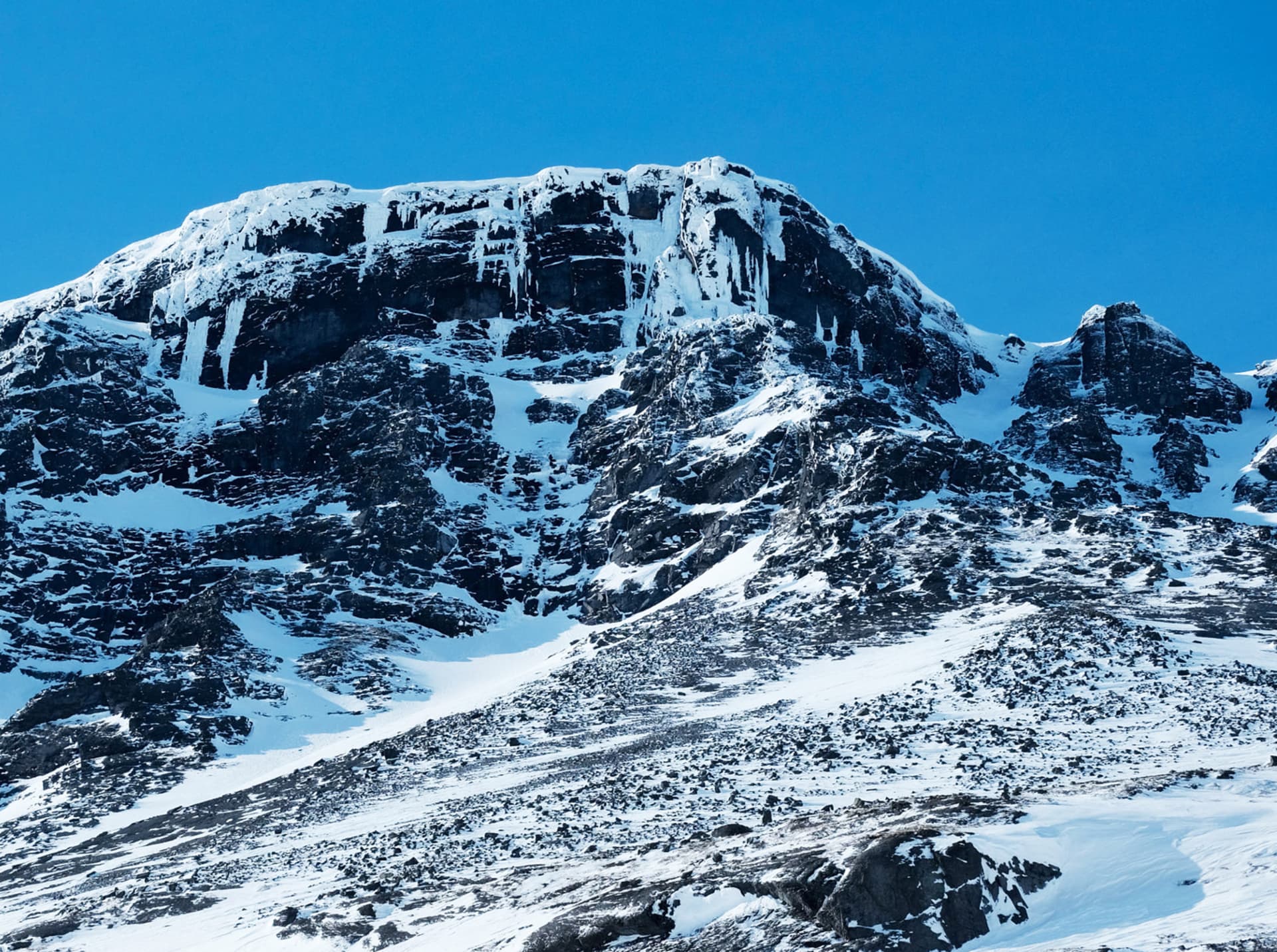
Kilimanjaro is climbable in every month of the year. That single fact is what makes the question of timing so slippery: nobody will tell you a month is impossible, so the decision quietly lands back in your lap. After years of walking these routes with our own certified Tanzanian guides, we have come to think of it differently. You are not choosing whether the mountain is open. You are choosing weather, light, trail traffic and, honestly, how much margin you want on summit night.
Here is how we talk it through with travellers before a single deposit is paid.
Two dry seasons, two very different moods
Kilimanjaro sits three degrees south of the equator, so it does not have summer and winter in the way most visitors expect. It has wet and dry, and the dry spells are the classic climbing windows: January to mid-March, and June to October.
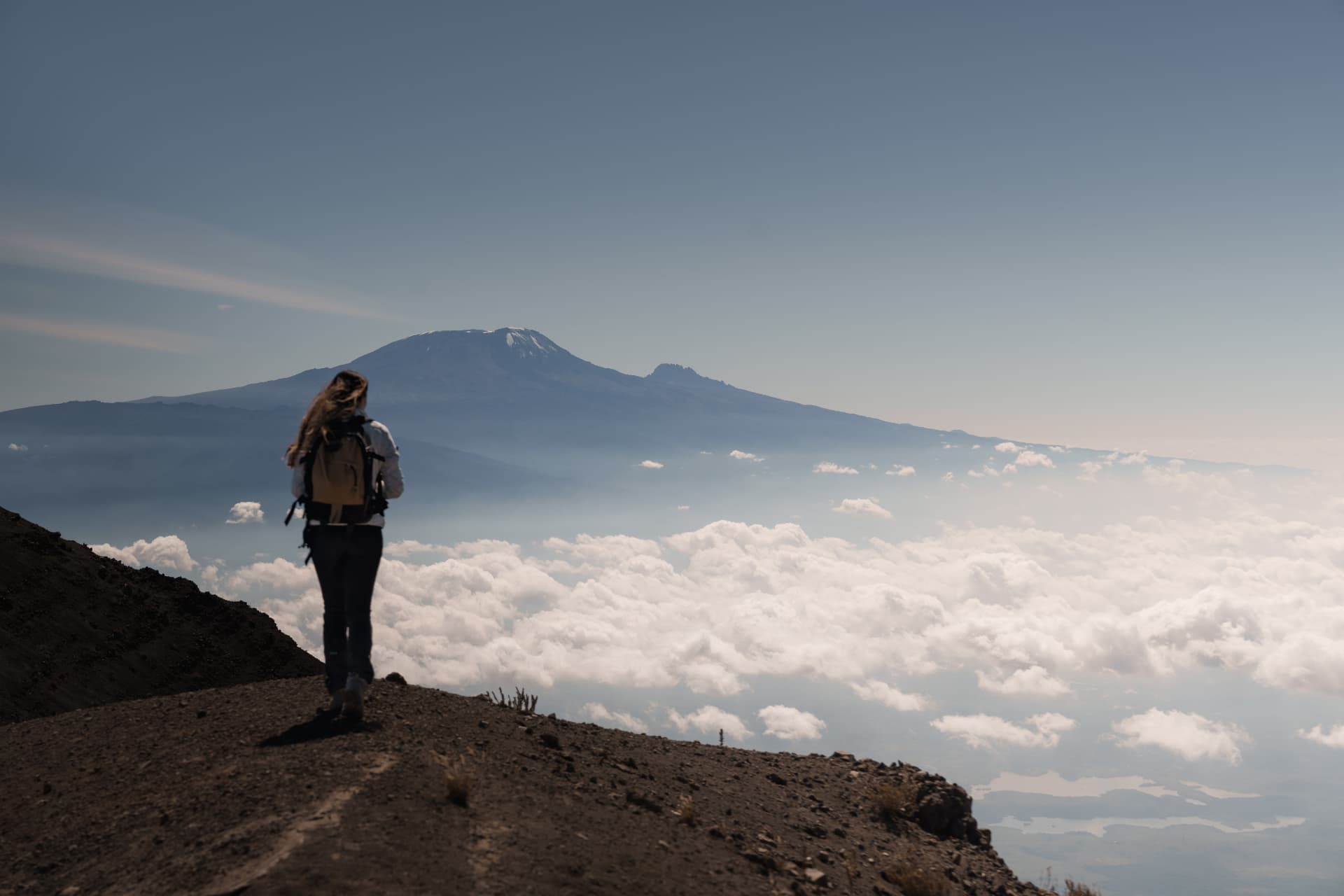
January to mid-March is our quiet favourite. Days are warm and typically clear, the rainforest is dripping but not soaked, and the trails are noticeably emptier than in high season. Nights are colder at altitude and there is a better chance of snow on the crater rim, which is exactly why the summit photographs from this window look the way they do. If you want the mountain to feel like yours, this is the stretch to ask about.
June to October is the long dry season and the busiest period on the mountain. Skies are stable, temperatures are moderate, and the odds of walking for days without meaningful rain are the best of the year. It also coincides with the Serengeti's peak game viewing, so if you are combining a climb with safari it is the most efficient trip to build. The trade off is company: on the popular routes you will share camps, and on the busiest nights you will share the summit path.
The shoulder weeks are underrated
Early June and late October behave like the dry season without the crowd, and early December often stays surprisingly settled before the short rains resume. These are the weeks where a small group and a well timed permit make a genuine difference to the experience, and where we can usually still hold good camps at short notice.
The rainy seasons, and who they actually suit
The long rains run roughly from late March through May. The short rains fall in November into early December. Neither is a closed door, but they demand honesty about what you want from the week.
In the long rains, the lower rainforest is properly wet. Trails get slick, gaiters stop being optional, and cloud can sit on the mountain for a full day. Above roughly 4,000 metres you often climb out of it into clean air, which is why experienced trekkers sometimes prefer this window: the mountain is almost empty, the forest is spectacularly green, and photographs of the moorland with storm light behind it are unlike anything you get in August. If you have hiked in bad weather before and enjoyed it, this is a real option rather than a compromise.
The short rains are gentler. Showers tend to arrive in the afternoon and clear, mornings are frequently bright, and the crowd is thin. November suits travellers with fixed leave dates who cannot move their trip, and who would rather trade some certainty for a much quieter trail.
Rain on Kilimanjaro is rarely what turns people back. Altitude is. Choose the window for the experience you want, then buy your margin with the itinerary.
How your window affects summit success
Weather matters less to your summit odds than most people assume. What ends climbs is altitude, dehydration and rushing. Wet weather contributes indirectly: cold, damp kit sleeps badly, poor sleep worsens acclimatisation, and a group that is behind schedule starts making bad decisions. That chain, not the rain itself, is what turns people around.
So the single most reliable way to protect a rainy season climb is to add days. On a longer profile with a proper acclimatisation ridge, we see high success rates in every month we operate. Our eight day Lemosho itinerary is the one we recommend most often for exactly this reason: it climbs slowly, crosses the Shira Plateau, and gives your body two nights above 3,800 metres before summit night. The nine day Northern Circuit goes further still, approaching from the quiet northern slopes with the most generous acclimatisation profile on the mountain, and it is our first suggestion for anyone climbing in the shoulder or wet months.
The seven day Machame route remains a superb climb and our most requested trek in high season, when the weather is on your side and the Barranco Wall in clear light is one of the great days of walking in Africa. In May we would gently steer you elsewhere.
Crowding, and how to route around it
Trail traffic is a design problem, not a fixed cost. Machame and Marangu carry the most walkers in July, August and September. Lemosho joins the main corridor only on day three or four, so the opening days feel remote even in high season. The Northern Circuit avoids the corridor almost entirely until the final approach.
Start times matter too. Because we run small tailored groups rather than large fixed departures, we can shift a camp arrival by an hour or begin summit night slightly earlier or later than the queue. It sounds minor. On Stella Point, at four in the morning, it is the difference between a private sunrise and a slow line of head torches.
Full moon summits, and whether to chase one
Summit night usually begins between midnight and 1am, so you climb the final 1,200 metres in darkness. Under a full moon, the glaciers and the scree above Barafu are lit well enough to walk without relying on a head torch, and the view down over the cloud sea is genuinely extraordinary. It is the most requested date on our calendar for good reason.
Two caveats we always share. Full moon dates fill first, so if you want one you should be planning six to nine months ahead. And moonlight washes out the stars, which is a real loss: on a moonless summit night the Milky Way sits directly over the crater. Plenty of our travellers, once they hear that, choose the dark night instead.
If you want the compromise, aim for a summit two or three nights after full moon. You get high moonlight for the first hours of the climb and a darker sky as you approach the rim.
So, when should you go?
If you want the highest chance of stable weather and are happy to share the mountain, book June to October and add days. If you want clear skies with far fewer people and do not mind cold nights, book January to mid-March. If your dates are fixed in April, May or November, go anyway, but go long: choose Lemosho or the Northern Circuit, budget for proper wet weather layers, and let the itinerary absorb the weather rather than your summit night.
Whatever window you land on, the rest is logistics we handle: certified local guides who have walked these routes hundreds of times, small groups shaped around your pace, and pricing quoted in full up front, park fees, camp crew and rescue insurance included, with no line items appearing later. Send us your dates and we will tell you honestly what that month looks like on the ground, including when we think you should pick a different one.